
Think of the shelf of DVDs most of us had fifteen years ago. It looked nice, cost a fair bit to build up, and became useless the day the player broke. Today we stream everything and never give a second thought to where the film actually sits.
Phone systems are making the same journey. The traditional PBX is the DVD shelf: physical, expensive to build, and vulnerable as the technology ages. The cloud PBX is the streaming service. But the choice is not always as obvious as it sounds, which is exactly why we are unpacking it here.
A cloud PBX is delivered entirely over the internet with no hardware on site, whereas a traditional PBX relies on physical equipment sitting in the office. The difference shows up most in cost, flexibility and how quickly you can change anything.
What is the difference between a cloud PBX and a traditional PBX?
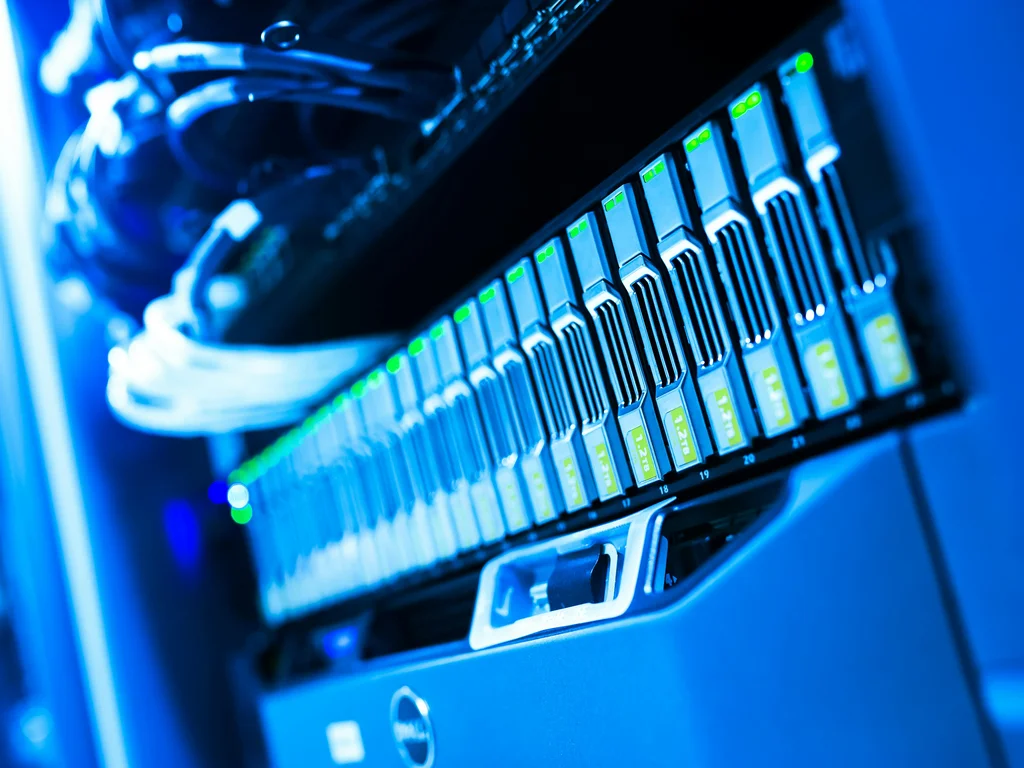
The traditional PBX is a physical installation. A box, or several, sitting in a server room and connecting calls. It works, but it is tied to the location, requires maintenance and has to be expanded manually as you grow. The cloud PBX moves all of that onto the provider's servers and delivers the same thing, only over the internet.
| Dimension | Traditional PBX | Cloud PBX |
|---|---|---|
| Upfront cost | High, hardware and installation | Low, no hardware |
| Scaling | Requires new equipment | Add users instantly |
| Maintenance | Your responsibility, technician | Included, handled by provider |
| Remote work | Tied to the office | Works anywhere |
| New features | Requires an upgrade | Updated automatically |
Why is the choice harder than it should be?
On paper the cloud PBX is the obvious choice for most. Yet plenty of companies stay with their old system, and it is not always out of inertia. There is an investment already made, a worry about switching mid-operation, and a feeling that what works should not be touched.
The problem is that "works" is a generous word. A traditional PBX works as long as nobody calls outside office hours, nobody works from home, and nobody asks for features built in the last ten years. In practice, few companies recognise themselves in that description any more.
The hidden cost is not the invoice for the system. It is the missed calls, the hours a technician bills for a change that should have taken two minutes in a web interface, and the features you simply do not have access to.
What do the two options actually cost?
A traditional PBX costs a lot upfront and then irregularly: hardware, installation, and a bill every time something needs changing or breaks. The cloud PBX flips the model and is priced per user per month, which makes the cost predictable and tied to how many of you there actually are.
For a growing company this is often the whole point. You pay for what you use, and when you hire ten more people you add ten users instead of ordering new equipment and booking an installer.
When does each one fit?
Let us be honest: there are cases where a traditional or on-premise solution still does the job. Companies with very specific hardware, strict requirements that data never leaves the building, or a recently made investment may have good reason to wait.
But for the vast majority, especially companies with remote or hybrid work and an appetite for AI in their telephony, the cloud PBX is what actually matches daily life. If you want the fundamentals first, start with our guide on what a business phone system is, and if you want to dig into the underlying technology there is VoIP for business.
How the cloud PBX makes a difference in practice
With the Lynes cloud business phone system, you manage answer groups, opening hours and call forwarding yourself, directly in a web interface, without calling a technician. The same number follows the employee whether they are at the office or at home.
And because everything is software, you can layer AI on top. An AI receptionist answers when the team cannot, handles the common questions and transfers with context when needed. That is the kind of feature a traditional PBX simply cannot accommodate.
Frequently asked questions about cloud and traditional PBX
Is a cloud PBX secure?
Yes. Reputable cloud PBX providers encrypt calls and data and run their operations in data centres with high security standards. For most companies, the security of a modern cloud PBX is higher than that of an in-house system that is rarely updated.
Can you keep your number when switching to a cloud PBX?
Yes, existing company numbers can in the vast majority of cases be ported to the cloud PBX. The switch happens without customers noticing and without you needing to change numbers.
How long does it take to move to a cloud PBX?
For a small or mid-sized company it is usually a matter of days rather than weeks, because no hardware needs installing. The configuration itself is done in a web interface.
Do we need faster internet for a cloud PBX?
In practice most modern business connections handle a cloud PBX without trouble. Calls require surprisingly little bandwidth, and quality is usually better than with a traditional line.
TL;DR
Just like the DVD shelf, the choice in the end is not about nostalgia but about what actually works in your day-to-day. The traditional PBX may get to soldier on a while longer in certain cases, but for most companies the cloud PBX is cheaper to own, simpler to manage and ready for whatever comes next.
Not sure where your company lands? Talk to us and we will help you work out what a switch would actually mean.